Ferneyhough family history
Notable people
A few well-documented bearers of the name, past and present. Living people are included only for their public careers, using publicly available sources; details come from the sources named under each person; we have not yet confirmed whether any of them is related to the families on this site. If you know more about any of them, please tell us.
People who have died
Ernest Fernyhough (1908-1993)
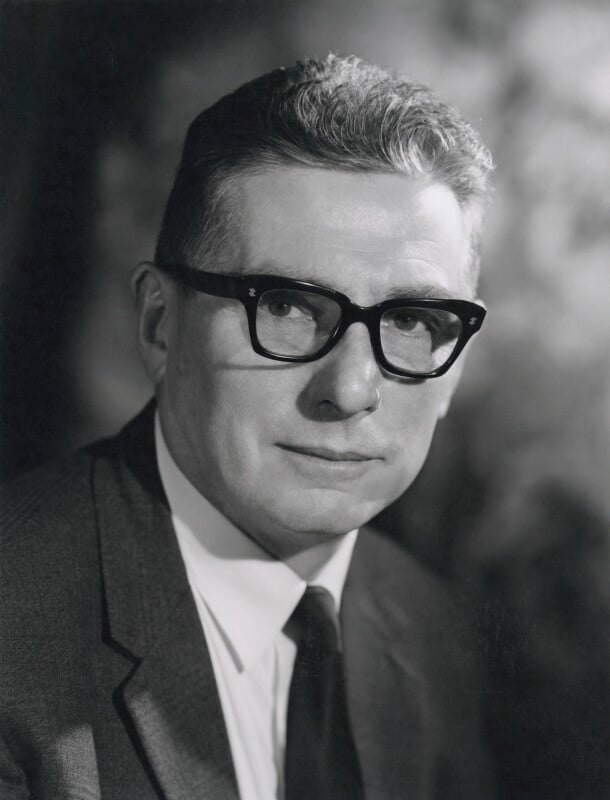
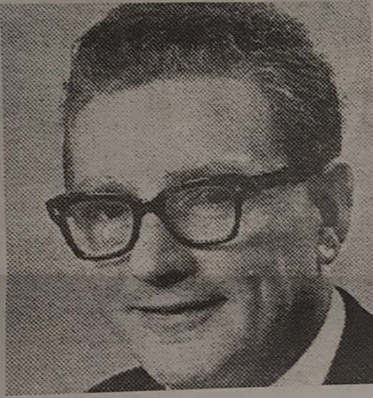
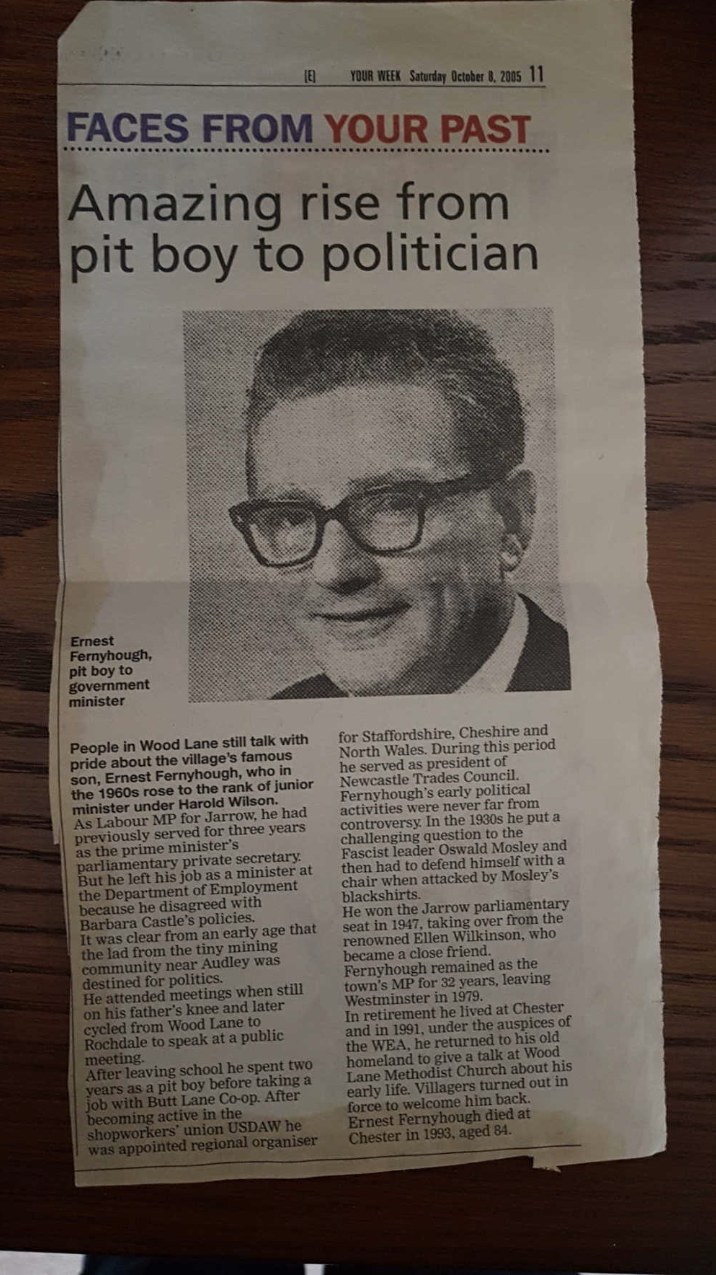
Born at Wood Lane in Staffordshire on 24 December 1908 and died at Chester on 16 August 1993. He worked as a full-time official of the shop-workers' union USDAW before entering Parliament as Labour member for Jarrow, from the by-election of 7 May 1947 until Parliament was dissolved on 7 April 1979. He was parliamentary private secretary to Harold Wilson from 1964 to 1967, then a junior minister: Parliamentary Secretary at the Ministry of Labour from January 1967 and, after that ministry became the Department of Employment and Productivity in 1968, Under-Secretary of State there until October 1969. He became a Privy Counsellor in 1970 and sat on the Council of Europe from 1970 to 1973. (Sources: Wikipedia, Ernest Fernyhough; his obituary by Tam Dalyell in The Independent, August 1993; Historic Hansard; Who Was Who; the dissolution date from The London Gazette, issue 47813. Hansard and the History of Parliament give 3 May 1979, polling day, as the end of his membership.)
Eric Fernihough (1905-1938)
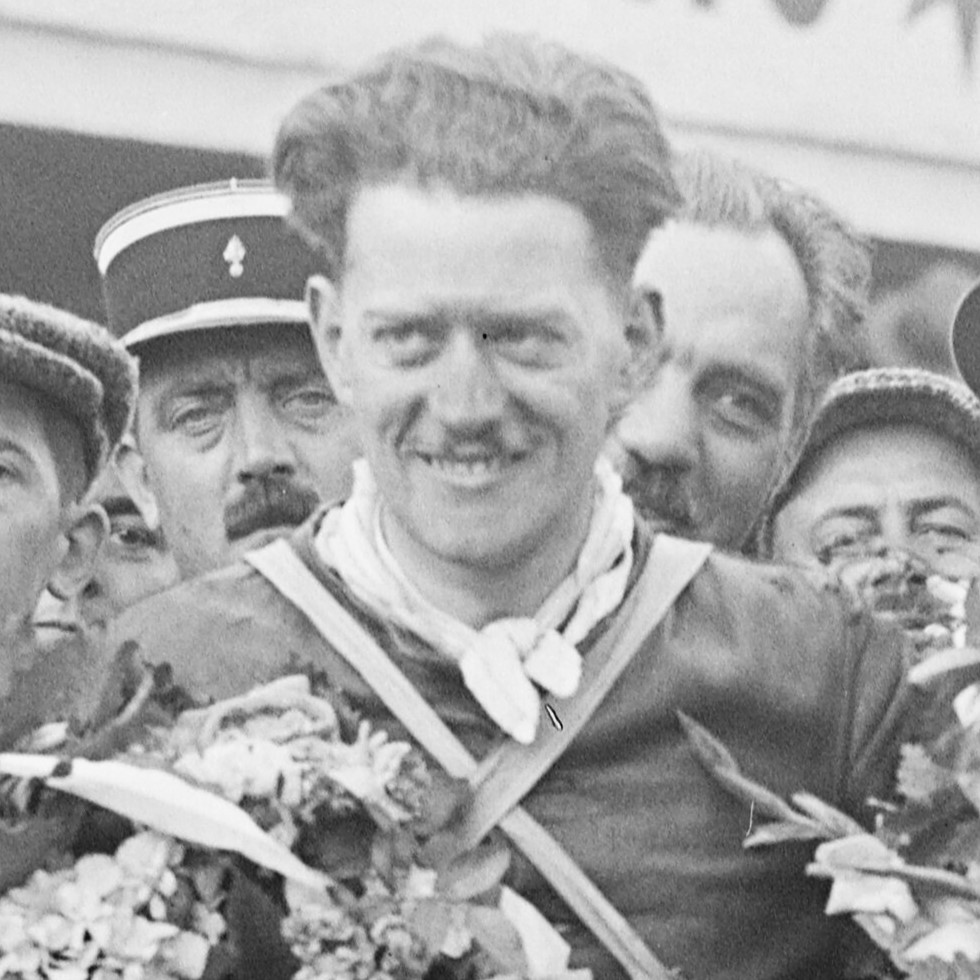

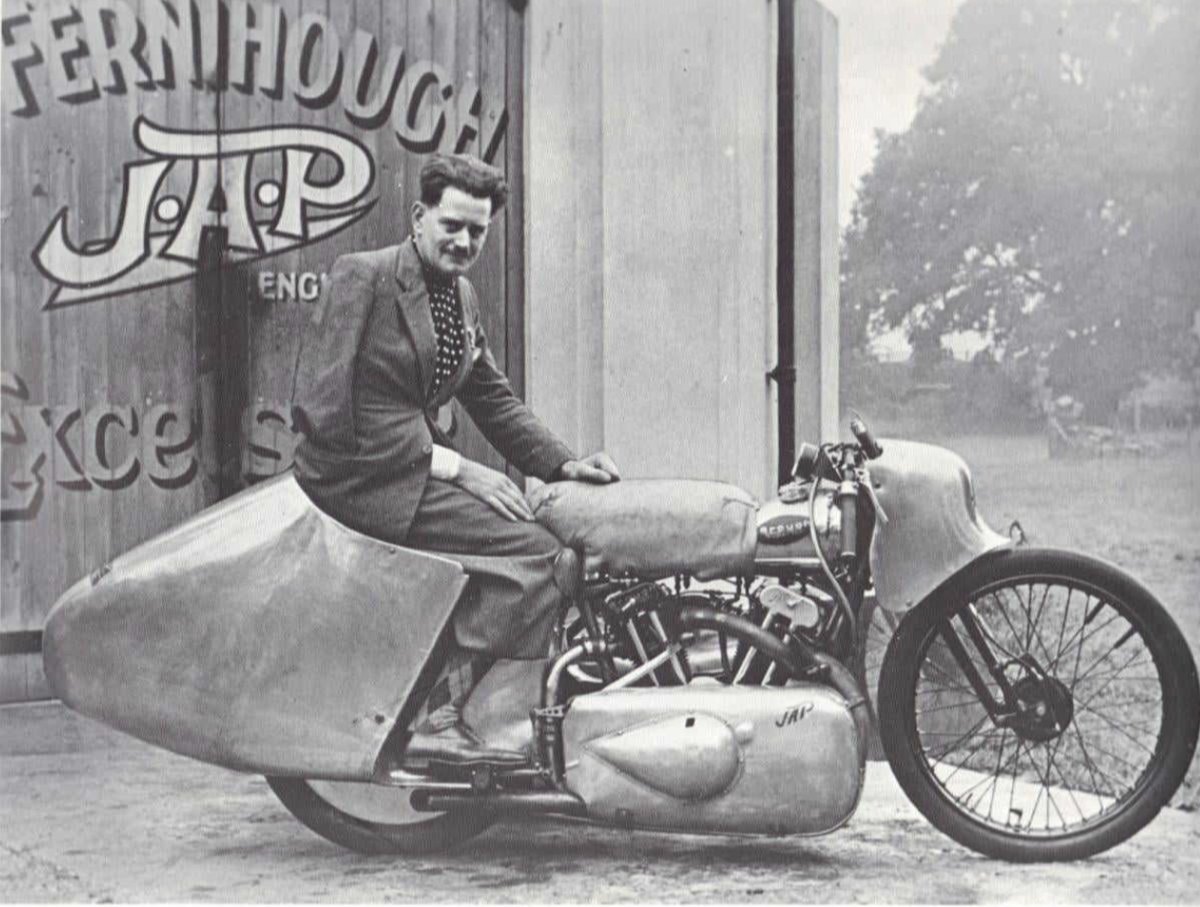
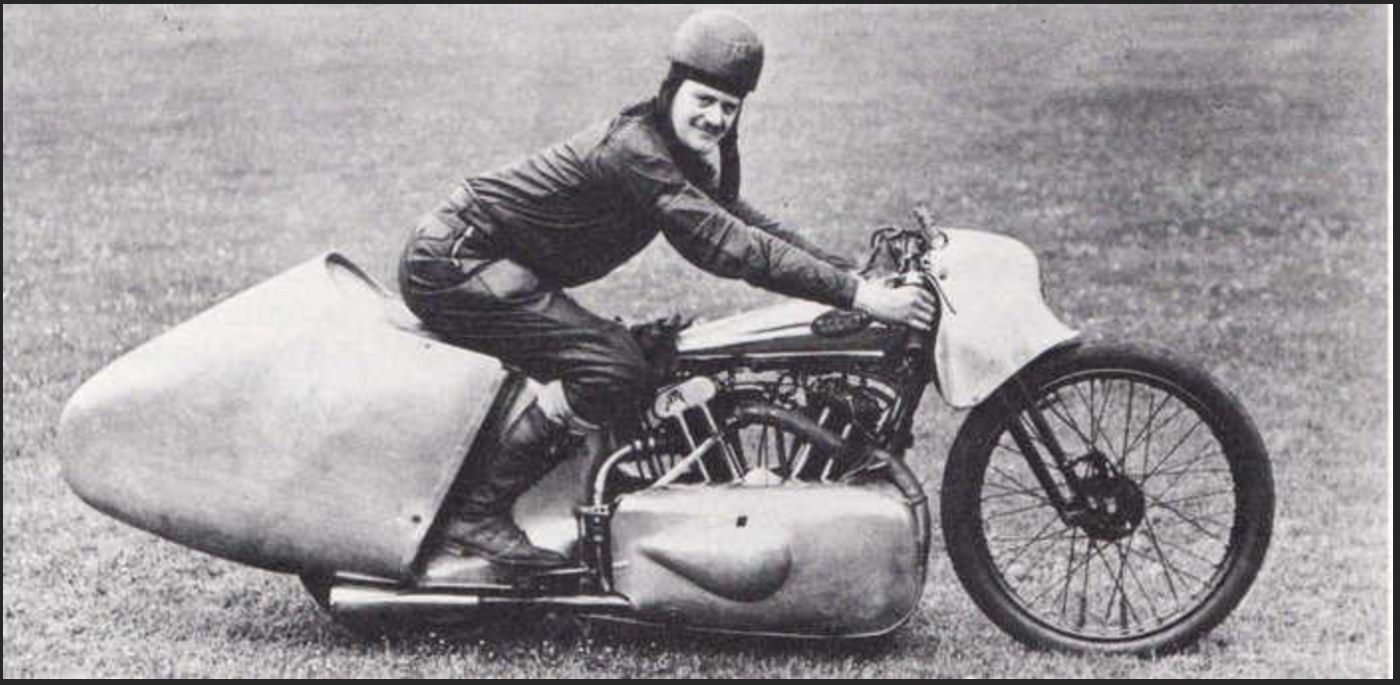
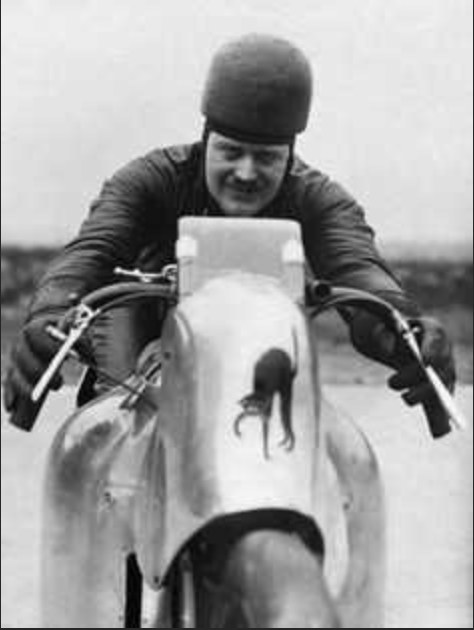
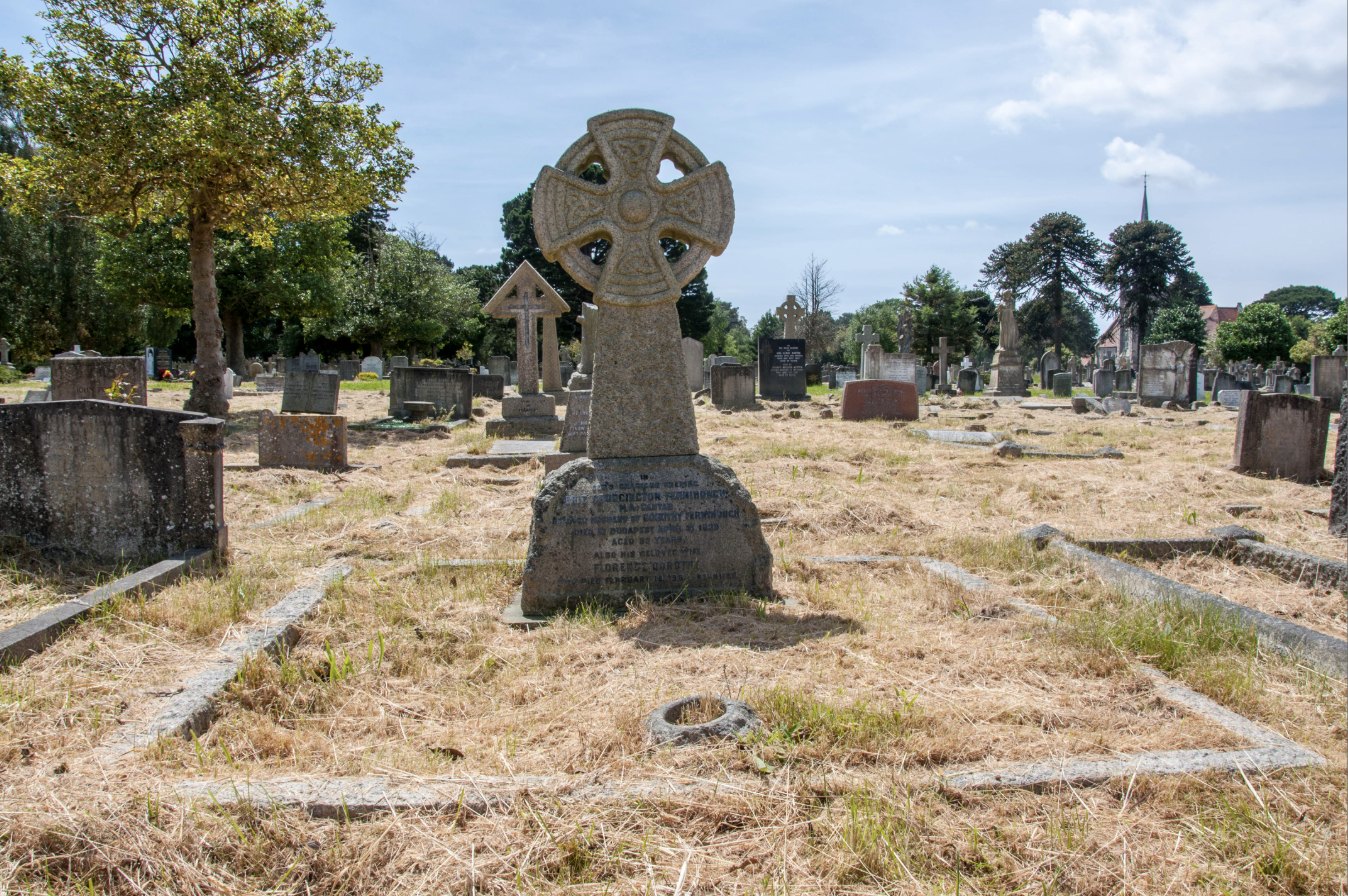
Born early in 1905; his birth was registered in the Birkenhead district (March quarter 1905, volume 8a, page 596 in the FreeBMD index), a district that included Liscard, which explains why sources give both Liscard and Birkenhead. Wikipedia gives 17 February 1905 at Liscard, Cheshire; we have not yet seen the certificate. He was the ninth child of John and Jane Fernihough, was adopted about 1910 by Mrs Emily McCalmont, and studied at Magdalene College, Cambridge, from 1923. He was a motorcycle racer who rode Excelsior machines with JAP engines, won the 1931 European championship in the 175cc class and set world speed records of about 164 mph in 1936 and about 170 mph in 1937. He was killed in a crash during a record attempt near Gyón, Hungary, on 23 April 1938, and was buried at Boscombe (now East) Cemetery, Bournemouth, on 4 May 1938. (Sources: Wikipedia, Eric Fernihough; Terry Wright, Loose Fillings; Magdalene College Library; UKBMD, Birkenhead registration district. One source, Brough Superior's heritage page, gives Newcastle upon Tyne on 7 April 1905, which does not fit the birth index.)
Bernard Fernyhough (1932-2000)
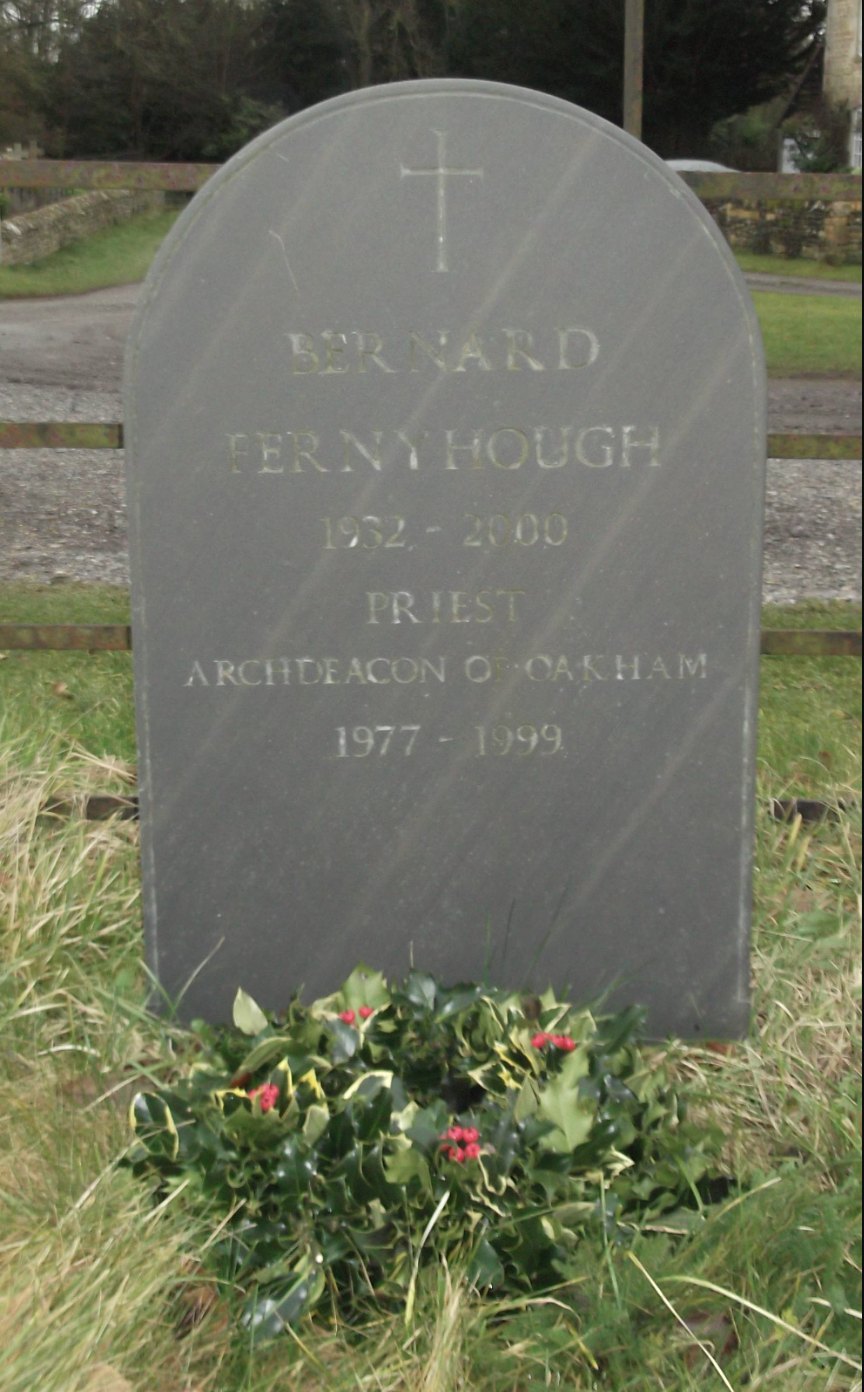
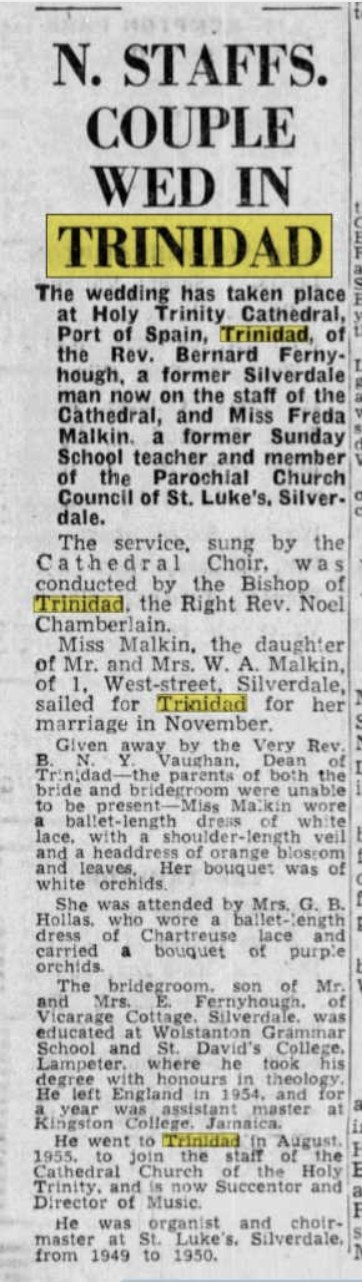
An Anglican priest, born 2 September 1932, the son of Edward and Edith Fernyhough, who died on 19 February 2000 (Who Was Who, as Wikipedia also cites; a death-index entry showing 1 February reflects how the index records registration rather than the date of death). He is buried at Exton in Rutland, where his wife Freda (born Malkin, married 1957) was laid to rest with him in November 2025. Ordained in 1955, he began as precentor of Trinidad Cathedral, later served parishes in Northamptonshire, was a canon of Peterborough Cathedral, and was Archdeacon of Oakham from 1977 to 1999. (Sources: Wikipedia, Bernard Fernyhough; Who Was Who, entry for Fernyhough, Bernard; Exton Village Newsletter, December 2025.)
William Fernihough
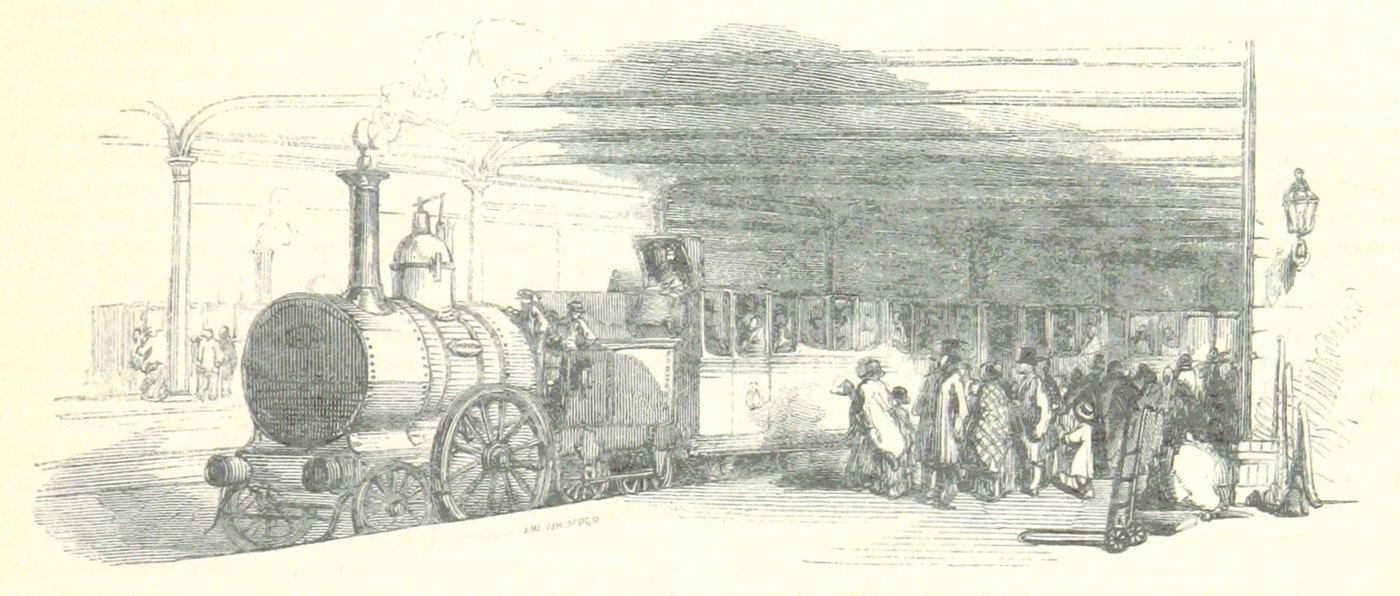

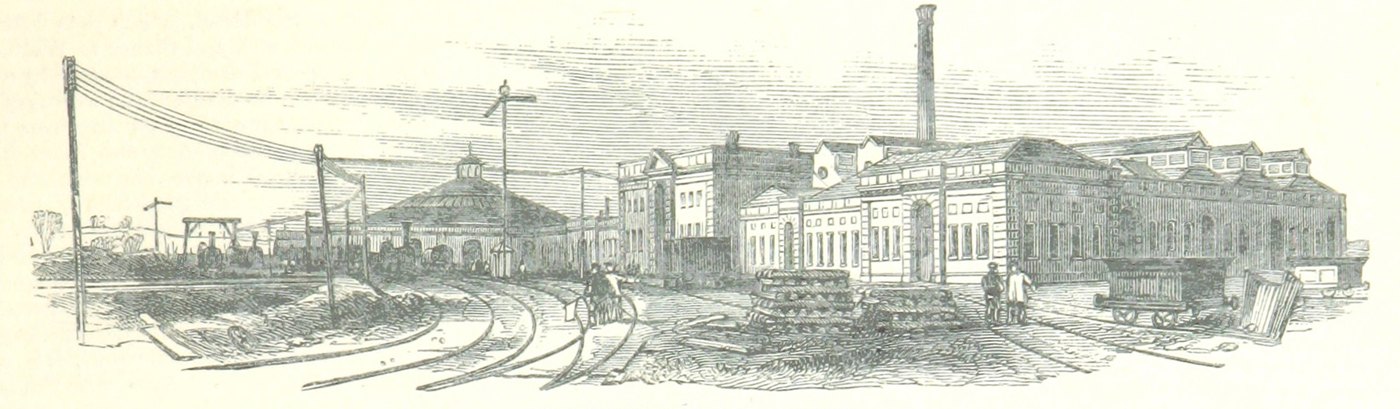

A railway engineer who was locomotive superintendent of the Eastern Counties Railway from 1843 to 1845. He is credited with fitting balance weights to locomotive driving wheels to steady them at speed, and told the Gauge Commission on 27 October 1845 that he had worked at George Forrester & Co. in Liverpool and for Edward Bury, and that the Eastern Counties was his first railway post. He succeeded John Braithwaite as superintendent in February 1843 and was replaced by Thomas Scott on 28 October 1845. By January 1848 he was assistant locomotive superintendent of the South Eastern Railway, when the Illustrated London News reported that he drove the King of the Belgians' special train from Dover. A William Francis Fernihough, engineer, of London, probably the same man, took out a patent on 10 October 1850 for improvements in steam engines and in obtaining motive power (patent 13,281). His birth and death dates are not confirmed. A William Francis Fernihough, engineer, of Ipstones, Staffordshire, who was baptised at St Peter's, Liverpool, on 16 July 1822 and died unmarried on 29 August 1860 (administration granted at Lichfield on 19 September 1860, National Probate Calendar), may be the same man, because the rare full name and the occupation match the patent. The link is an inference, not proven. He would have been only about 21 in 1843, which is young for a locomotive superintendent, and Wikipedia places the superintendent at George Forrester's works in Liverpool about 1834, when William Francis was about 12, so an older, unrelated William is a real alternative. (Sources: Wikipedia, William Fernihough; Illustrated London News, 29 January 1848; Woodcroft, Chronological Index of Patentees; Bardell's thesis on the locomotive history of the Eastern Counties Railway.)
Captain Thomas Fernyhough (1777-1844)
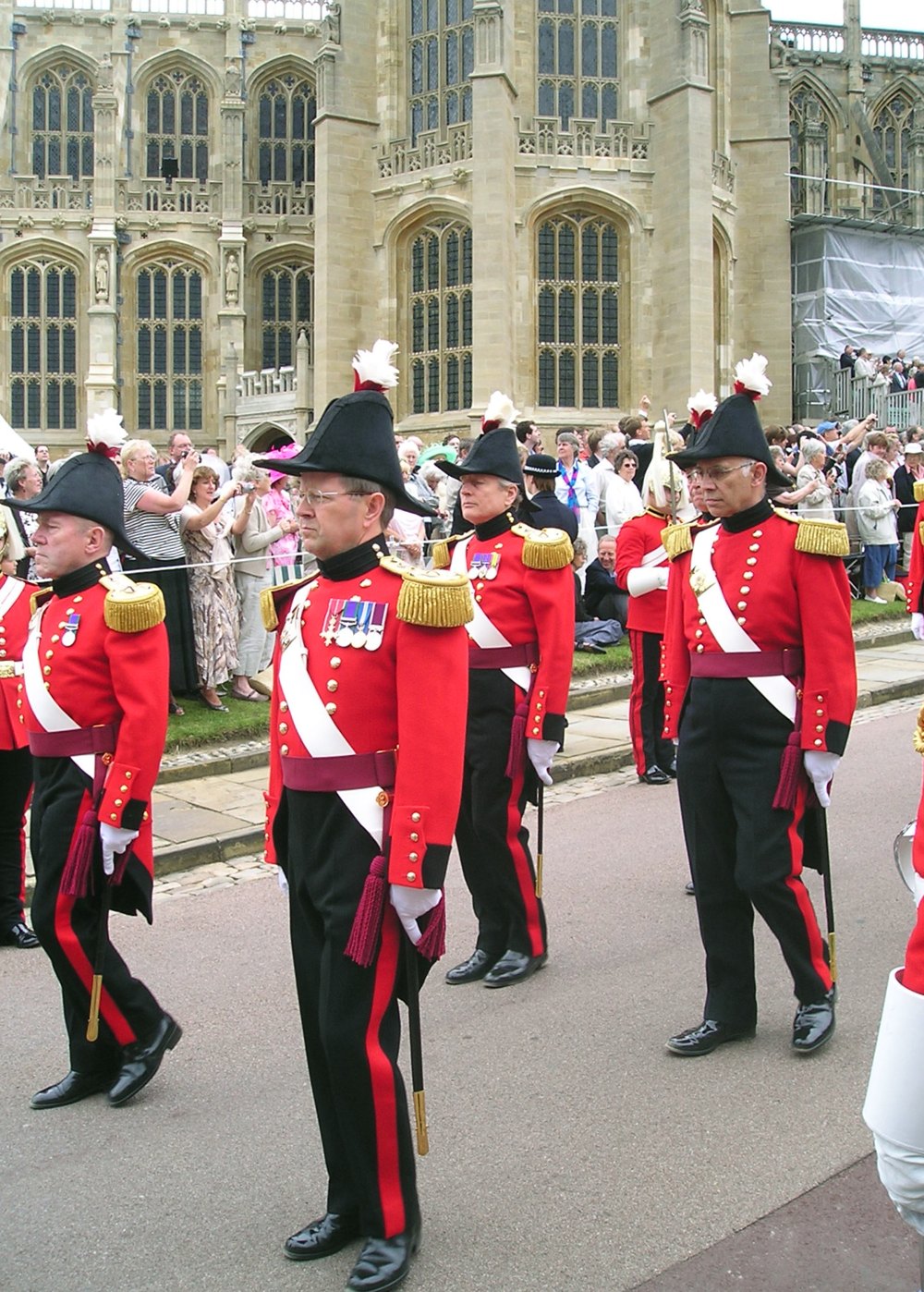

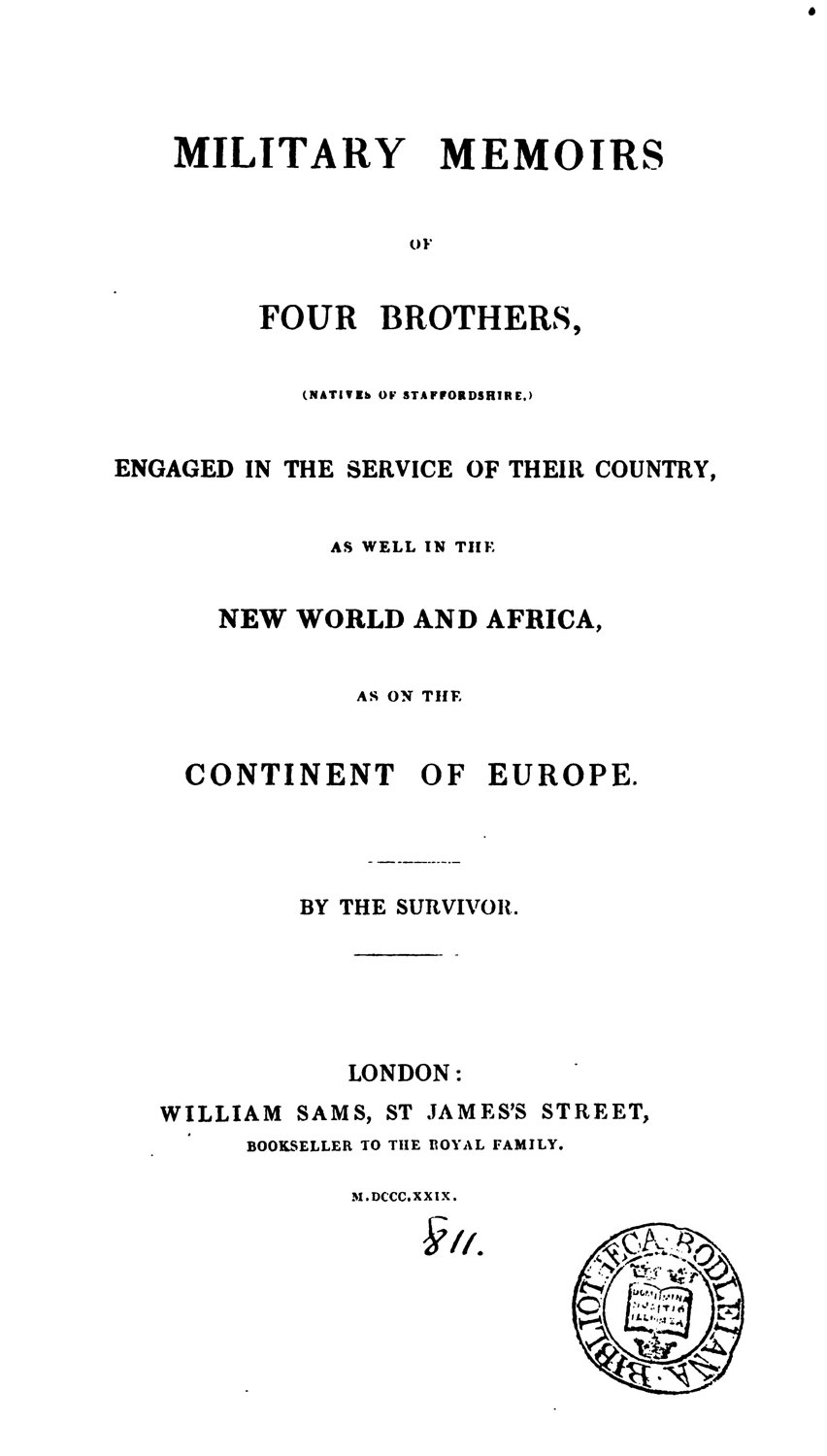
Captain Thomas Fernyhough was a Military Knight of Windsor and became Governor of the Military Knights in June 1843. He died suddenly of heart disease at Windsor Castle on 8 January 1844, aged 67, and was buried on 15 January with full military honours in the new catacombs under St George's Chapel (The Gentleman's Magazine, February 1844, which also describes him as a genealogist known at the British Museum who worked for William Salt on his Staffordshire collections; Internet Archive scan). Wikipedia records him as the first person buried in those catacombs (Wikipedia, Military Knights of Windsor); we have not seen a contemporary source that says "first". The London Gazette of 8 September 1801 shows him commissioned as an ensign in the 60th Foot; he was later on the half-pay of the 40th Foot, and his title of Captain came from brevet rank in the volunteers and militia. His youngest son, William Henry Fernyhough (1809-1849), became a lithographer in Sydney. The user-contributed FamilySearch Family Tree has a Captain Thomas Fernyhough who was christened at Lichfield on 1 November 1777 (a birth date of 20 May 1777 is given, without a source), the son of John Fernyhough and Sarah Thornloe, married Sarah Clifford Allport at Rugeley on 1 July 1813, and died at Windsor Castle on 8 January 1844, which fits the Military Knight (person LZJK-KR7; this needs a free FamilySearch sign-in to view). That marriage date comes four years after his son's recorded birth, so the family details need checking.
A Thomas Fernyhough is also named as the author of Military Memoirs of Four Brothers (Natives of Staffordshire), published in London by William Sams in 1829, which tells the stories of four brothers who served in the Napoleonic-era army and marines. Secondary sources, such as the Napoleon Guide and the blurb of the 2002 reprint, say the book's author ('the Survivor') was Thomas Fernyhough of the 60th Foot, who later became Governor of the Military Knights of Windsor. The FamilySearch tree also lists three brothers, Henry, John and Robert, which matches the book's four brothers, so these are very probably the same man, although we have not yet seen a primary source (such as a contemporary review) that says so. (Sources: Wikipedia; Internet Archive catalogue record for the book.)
Colonel Hugh Clifford Fernyhough (1872-1947)
A British Army officer, born at Hampstead on 22 September 1872 and died at Aldershot on 9 October 1947. He was commissioned from Sandhurst into the King's Own Yorkshire Light Infantry in October 1893 and served on India's North West Frontier, including the Tirah campaign and the battle of Shinkamar in January 1898. In the Second Boer War he took part in the advance on Kimberley in 1899, was wounded at Enslin and later seriously wounded, was promoted captain in 1900, and was awarded the Distinguished Service Order in 1901. He transferred to the Army Ordnance Department in 1906 and was Chief Ordnance Officer in Sierra Leone by 1913. In the First World War he was Assistant Quartermaster-General at General Headquarters on the Western Front from April 1915, became a Companion of the Order of St Michael and St George in the 1917 New Year Honours, received the Belgian Order of Leopold in 1917, and was assistant director of Ordnance Services from 1918. He joined the War Office in 1919, became a Companion of the Order of the Bath in the 1924 Birthday Honours, was promoted full colonel in 1927 and retired in 1929. He also played two first-class cricket matches for the Europeans against the Parsees at Bombay, in 1895-96 and 1898-99. His son Brigadier Hugh Edward Fernyhough (1904-1982) was also an officer, awarded the CBE and DSO, and served as aide-de-camp to the King. (Sources: Who Was Who, entry for Fernyhough, Colonel Hugh Clifford; Wikipedia, Hugh Fernyhough; Who Was Who, entry for Fernyhough, Brigadier Hugh Edward.)
William Henry Fernyhough (1809-1849)
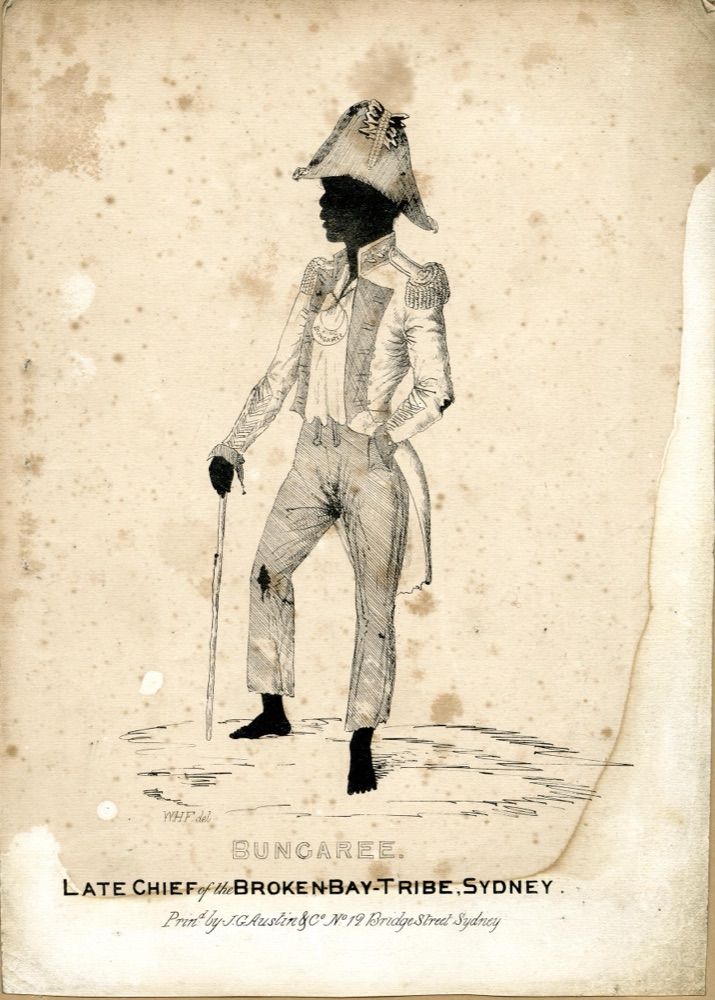

An artist, born at Rugeley, Staffordshire, on 17 March 1809, who worked as a draughtsman, silhouette artist and lithographer. He emigrated to Sydney in 1836 and died there on 15 August 1849. In Sydney he worked for the lithographic firm of J. G. Austin and is best known for A Series of Twelve Profile Portraits of Aborigines of New South Wales (1836), partly silhouette portraits of named individuals including Bungaree, Piper (who accompanied Major Mitchell's expedition), Cullabaa and Punch. Copies are held by the British Museum, the National Portrait Gallery in Canberra and the State Library of New South Wales, and he is credited with introducing zincography to New South Wales. He is described as the youngest son of Captain Thomas Fernyhough, the Military Knight of Windsor above. (Sources: Design & Art Australia Online; Dictionary of Sydney; National Portrait Gallery, Canberra.)
Beatrice Christine Ferneyhough (1908-1996)
A Canadian writer and political organiser who wrote under the name Catharine Vance. Her papers are held in the University of Toronto library. (Sources: University of Toronto Library finding aid for the Beatrice Ferneyhough fonds.)
Algy Herbert Fernihough (1911-1973)
A farmer of Grove Farm, Mill Lane, Radford, near Inkberrow in Worcestershire, born on 4 September 1911 at Solihull and died in December 1973 (the British Resistance Archive gives 13 December; the probate index gives a different day). In the Second World War he was a sergeant and patrol leader in the Auxiliary Units, Churchill's secret stay-behind force, leading the Lenches Patrol of Worcestershire Group 1(a) until the units were stood down on 3 December 1944. The patrol's underground base was built on Badgers Hill, on Grove Farm land about two miles east of Pershore airfield, with a camouflaged shaft and an escape tunnel, and it survived until about 1990. If the country had been invaded, the patrol's task was to observe and, if necessary, attack German aircraft using the airfield. (Sources: British Resistance Archive, Algy Herbert Fernihough; British Resistance Archive, Lenches Patrol, which cites The National Archives WO 199/3389 and the 1939 Register.)
Living notable people
These are living public figures, listed only for their documented public careers, using publicly available sources. Nothing about their private lives is included.
Brian Ferneyhough (born 1943)
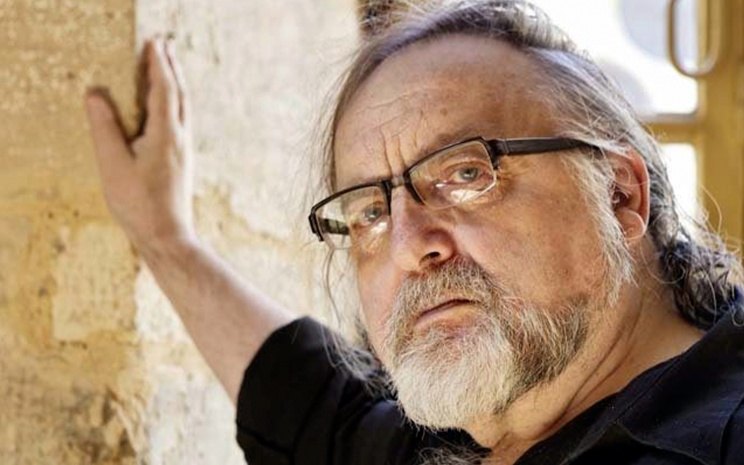
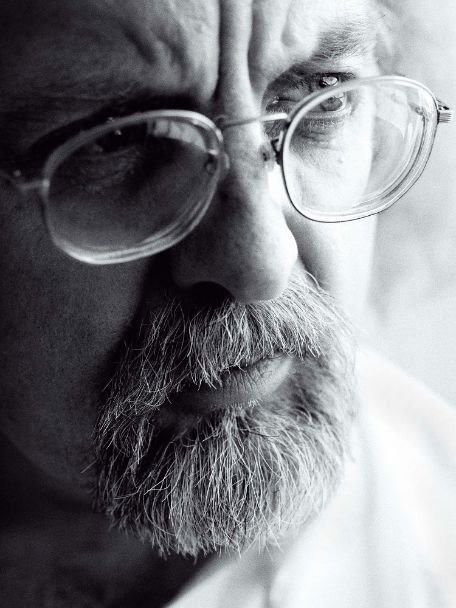
A composer and teacher, born in Coventry, widely seen as the central figure of the "New Complexity" movement in contemporary music, known for extremely dense and demanding scores. Born on 16 January 1943, he studied at the Birmingham School of Music and the Royal Academy of Music (with Lennox Berkeley), won the Mendelssohn Scholarship in 1968, and went on to study in Amsterdam and Basel. He taught at the Freiburg Hochschule für Musik from 1973 to 1986 and at the University of California, San Diego, from 1987 to 1999, and has held a professorship at Stanford University since 2000; he has lived in California since 1987. His works include the Carceri d'Invenzione cycle, the Etudes Transcendantales, six string quartets and the opera Shadowtime (premiered in Munich in 2004). His honours include the Koussevitzky Prize (1975), the French Chevalier de l'Ordre des Arts et des Lettres (1984), the Ernst von Siemens Music Prize (2007), membership of the Royal Swedish Academy of Music (2009) and an honorary doctorate from Goldsmiths (2012). (Source: Wikipedia, Brian Ferneyhough; IRCAM biography.)
Charles Fernyhough
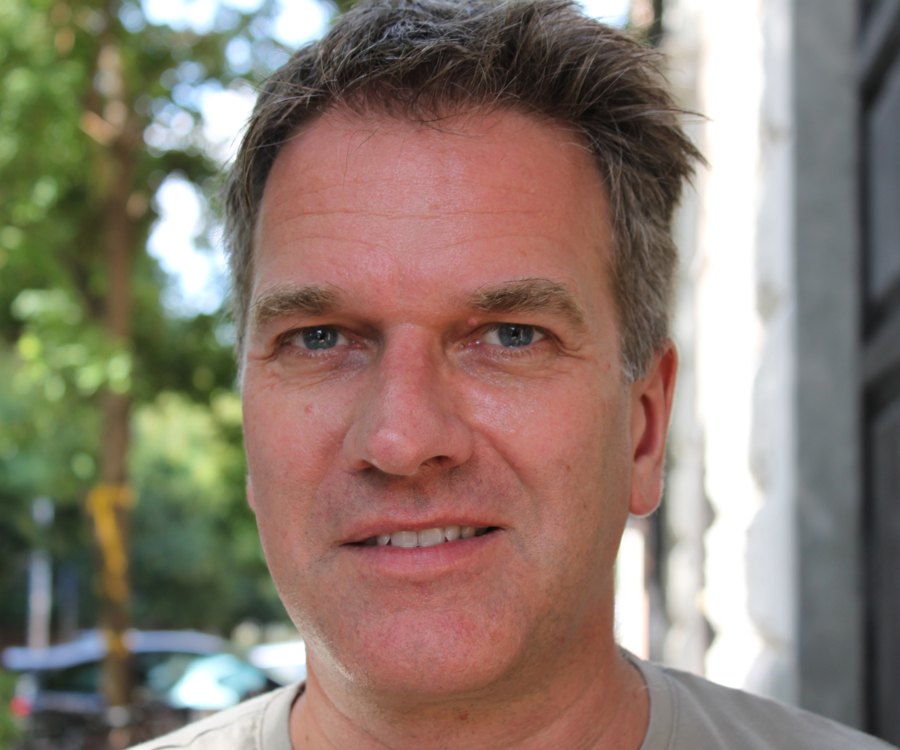
A psychologist at Durham University who researches inner speech and the experience of hearing voices, leads the Hearing the Voice project, and directs the Centre for Research into Inner Experience. He is also a novelist and writer of popular science, with novels including The Auctioneer (1999) and A Box of Birds (2013) and non-fiction including The Baby in the Mirror (2008), Pieces of Light (2012; shortlisted for the 2013 Royal Society Winton Prize for Science Books) and The Voices Within (2016). He has published more than 150 research papers, has advised on London theatre productions, and has appeared on BBC television and radio. (Source: his own website.)
Rowland Fernyhough (born 1954)
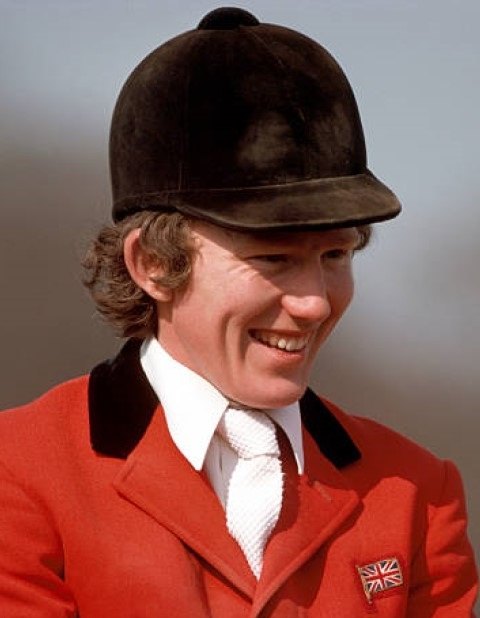
A show jumper, born at Newtown in Wales on 9 July 1954, who rode his horse Bouncer for Great Britain in the team jumping event at the 1976 Olympic Games, where the team finished seventh. He later trained the British junior and under-21 teams, whose squad won two gold medals in Portugal in 2004. (Sources: Wikipedia, Rowland Fernyhough; Olympedia.)
Christine Fernyhough
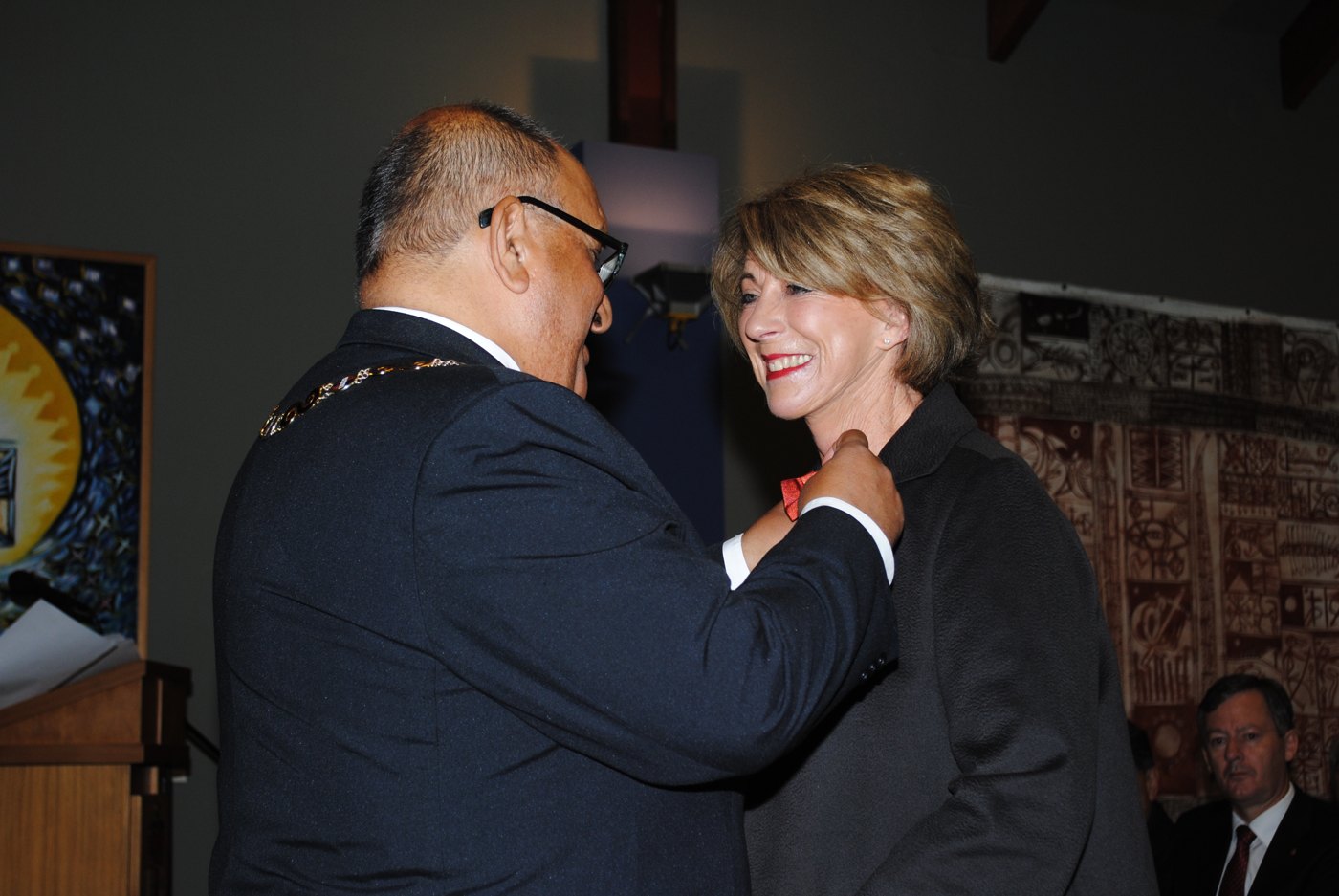

A New Zealand philanthropist, farmer and author, born Christine Don and brought up in Auckland, who took the Fernyhough name by marriage. She co-founded the Duffy Books in Homes scheme with Alan Duff in 1994, which by 2008 had put some five million books into New Zealand schools, and later started a programme for gifted children in low-decile schools. She was appointed an Officer of the New Zealand Order of Merit in 1999 and a Companion in 2011. She bought and ran Castle Hill station, a 4,050-hectare high-country property in the South Island, for about ten years until selling it in 2014, and has written a memoir of it, The Road to Castle Hill, as well as children's books such as Dart of Castle Hill and Phylys the Farm Truck. (Source: Wikipedia, Christine Fernyhough.)
Jodie Ferneyhough
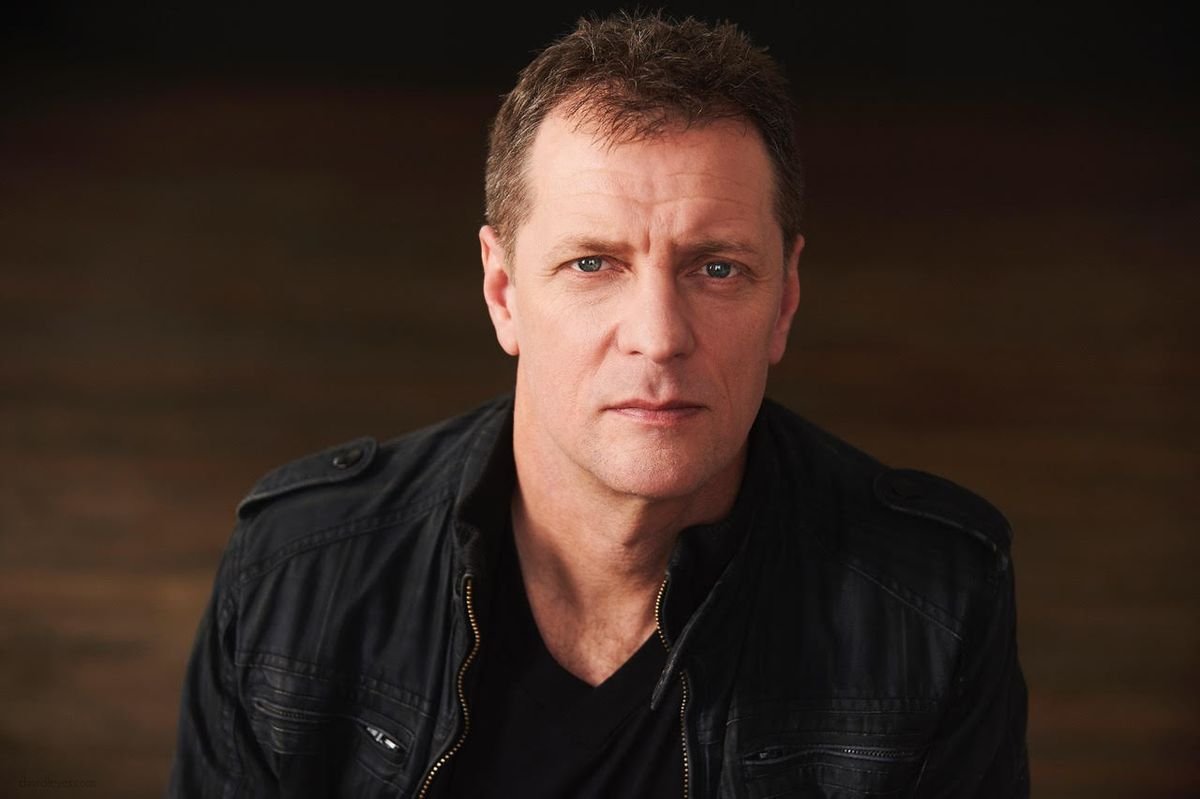
A Canadian music publisher and rights-management executive. He began in music publishing in 1989 at peermusic, joined Universal Music Publishing Canada in 2001 and rose to managing director, and was named Canadian Music Publisher of the Year at the 2003 and 2005 Canadian Country Music Association awards and Publisher of the Year at the 2005 Canadian Music Week industry awards. He left Universal in 2011 to found CCS Rights Management, which administers rights for productions including Spin Master's television series and Schitt's Creek, and launched the Daytripper Music Publishing division in 2021. He has lectured at several Canadian music and law schools. Wikipedia flags parts of this career history as needing better sourcing. (Source: Wikipedia, Jodie Ferneyhough.)
Image credits
Every image on this page, with its source. Rights remain with the credited owners; where a licence is shown it applies as stated. If you own a photo here and would like it credited differently or removed, please get in touch.
- Eric Fernihough at Reims, 1932: Agence Rol / Bibliothèque nationale de France, public domain, Wikimedia Commons.
- Eric Fernihough with his JAP machine; on the streamlined machine; on his racing motorcycle: shared on Ancestry.co.uk by Dawn Parker Randall (2024) and Rita Hayes (2015); rights with the original owners.
- Fernihough family grave, East Cemetery, Bournemouth: Grave Concerns, Find a Grave.
- Ernest Fernyhough, 1967 portrait: © National Portrait Gallery, London (Walter Bird, NPG x167523).
- Ernest Fernyhough newspaper clipping and detail: Your Week, 8 October 2005, shared on Ancestry.co.uk by VFernyhough (2022).
- Bernard Fernyhough headstone: ColinA on Find a Grave; also shared on Ancestry.co.uk by Claire Johnson.
- Bernard Fernyhough wedding clipping: shared on Ancestry.co.uk by Claire Johnson (2024); newspaper not named.
- Military Knights of Windsor (2006): Philip Allfrey, CC BY-SA 2.5, Wikimedia Commons.
- Military Memoirs of Four Brothers, title page (1829): Internet Archive, Bodleian Library copy, public domain.
- Eastern Counties Railway engravings (1851): J. W. Whimper, British Library, public domain, Wikimedia Commons (train, Stratford Works).
- William Henry Fernyhough, silhouette lithograph of Bungaree (1836): British Museum (Oc2006,Prt.350), Wikimedia Commons; original public domain.
- Brian Ferneyhough: © Agathe Poupeney (ORF musikprotokoll); © Dylan Collard (Berliner Festspiele).
- Charles Fernyhough: charlesfernyhough.com, photographer not credited.
- Rowland Fernyhough: Popperphoto, via Olympedia.
- Christine Fernyhough investiture (2011): Office of the Governor-General of New Zealand, CC BY 4.0, Wikimedia Commons.